
Fermentation-derived Cargill ethyl alcohol supplied in drums, IBC totes, ISO tanks and full tanker lots — with a certificate of analysis for every production lot.
Request a QuotationAscent Group Co., Ltd supplies Cargill ethanol and Cargill ethyl alcohol to formulators, fuel blenders, beverage plants and pharmaceutical manufacturers across Asia, Africa, Europe and the Middle East. Our scope is narrow on purpose: one product family, handled properly, in volume.
Every order is quoted against a real production lot number rather than a generic specification sheet. That means the assay, water content and denaturant profile on your documents match the material inside the drum, tote or ISO tank you receive — verified before the container is sealed, not after it reaches your plant.
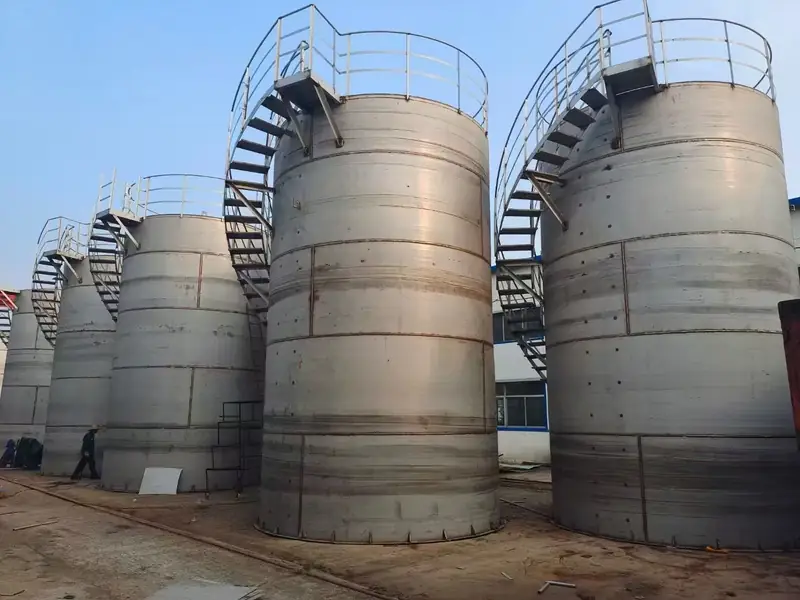
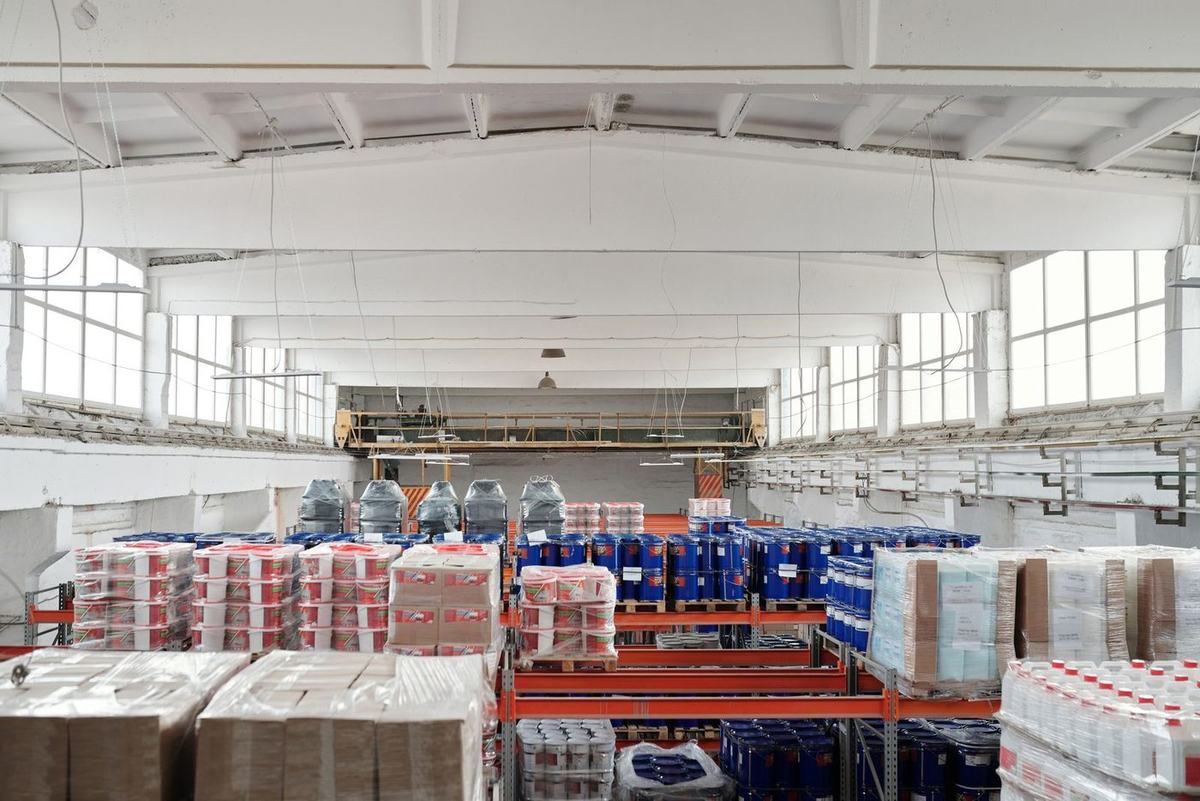
Because ethanol is hygroscopic, handling discipline decides quality more than the production method does. We load from lined stainless steel and HDPE-contact systems only, keep transfer lines closed to atmosphere, and store finished material under nitrogen blanket where the grade requires it.
Assay, water content, aldehydes, methanol and acidity are run on the retained sample of each lot, and the certificate travels with the shipment.
Filling runs through closed transfer systems, so the moisture pick-up that ruins anhydrous grades during transfer is kept under control.
Commercial invoice, packing list, SDS, COA and certificates of origin are prepared together, so clearing agents are not waiting on paperwork.
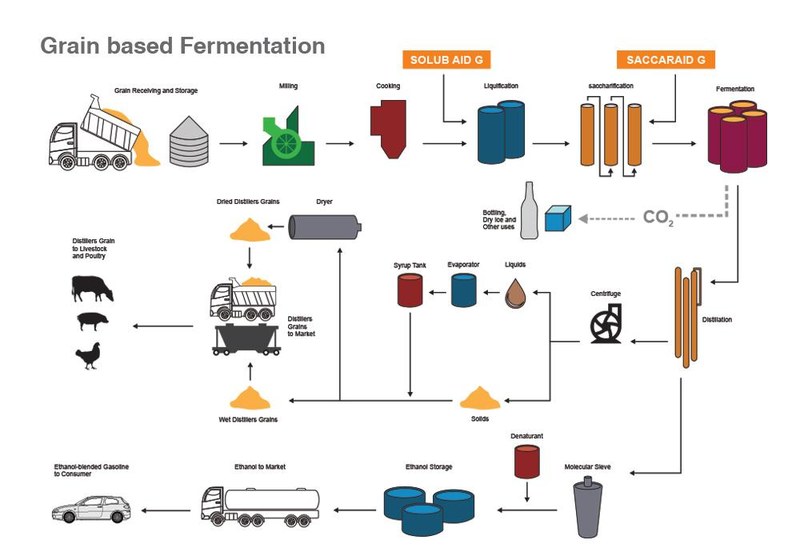
The three commercial streams cover nearly every ethanol enquiry we receive. Tell us the end use and we will point you to the matching stream — the specification, not the label, is what your process actually sees.
Water at or below the anhydrous threshold, delivered ready for fuel blending and moisture-sensitive reactions without further drying.
Constant-boiling ethanol with a documented denaturant package, suited to industrial cleaning, coatings and general solvent duty.
Fermentation alcohol produced from grain, held to the purity envelope required by beverage and flavour houses.
Ethanol is a single molecule with a fixed physical profile. These are the reference values your engineers will work from when sizing storage, pumps and blending ratios.
| Ethyl Alcohol — Reference Properties | |
|---|---|
| Chemical name | Ethanol |
| Synonyms | Ethyl alcohol |
| CAS number | 64-17-5 |
| Molecular formula | C₂H₅OH |
| Molecular weight | 46.07 g/mol |
| Boiling point | 78.37 °C |
| Melting point | −114.1 °C |
| Flash point | 13 °C (closed cup) |
| Density at 20 °C | 0.789 g/cm³ |
| Vapour pressure at 20 °C | 5.95 kPa |
| Solubility in water | Fully miscible |
| Appearance | Clear colourless liquid |
A bulk ethanol order moves through four controlled handovers. Each one is documented, so a query about a drum in Rotterdam can be traced back to the fermentation batch it came from.
Cargill fermentation ethanol is allocated by production lot, with the lot number fixed on the order before filling begins.
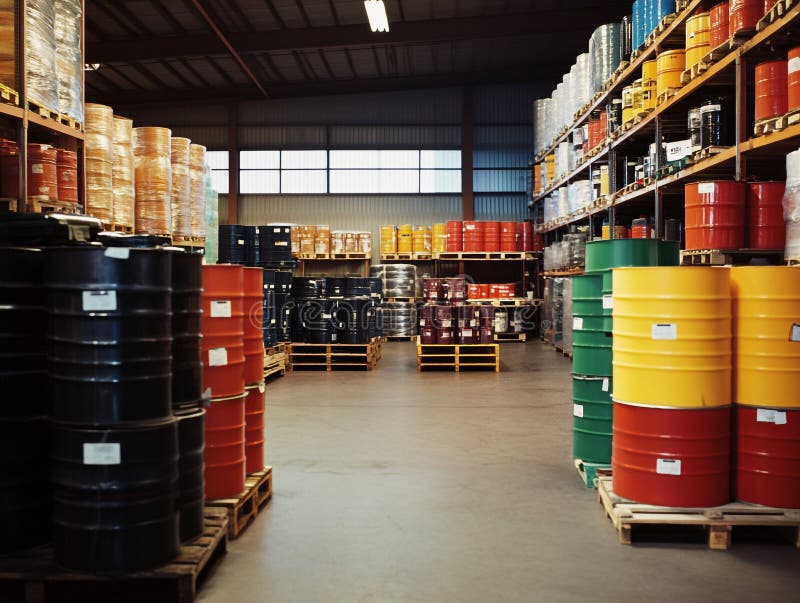
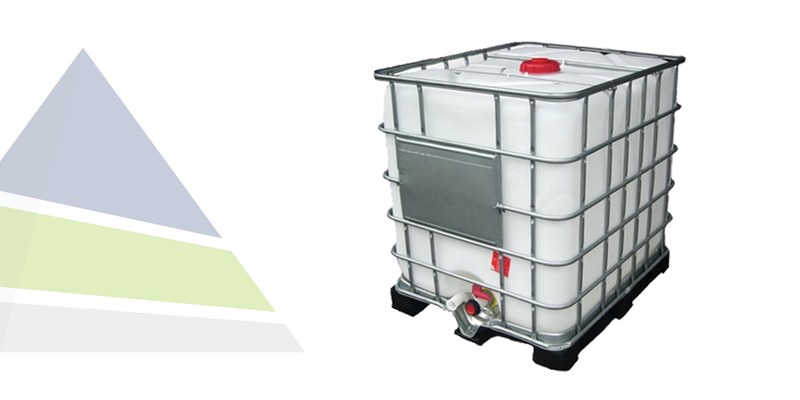
Material is filled into HDPE drums, IBC totes or ISO tanks through closed lines, then sealed and labelled against the lot.
Retained samples are analysed for assay, water, aldehydes, methanol and acidity before the shipment is released.
Container, flexitank or ISO tank is booked with full export documentation and tracked to the destination port.
The same molecule behaves differently depending on concentration and denaturant. These are the four end uses that drive most of the volume we move.

Anhydrous ethanol blended into gasoline, matched to the water and acidity limits of the receiving terminal.
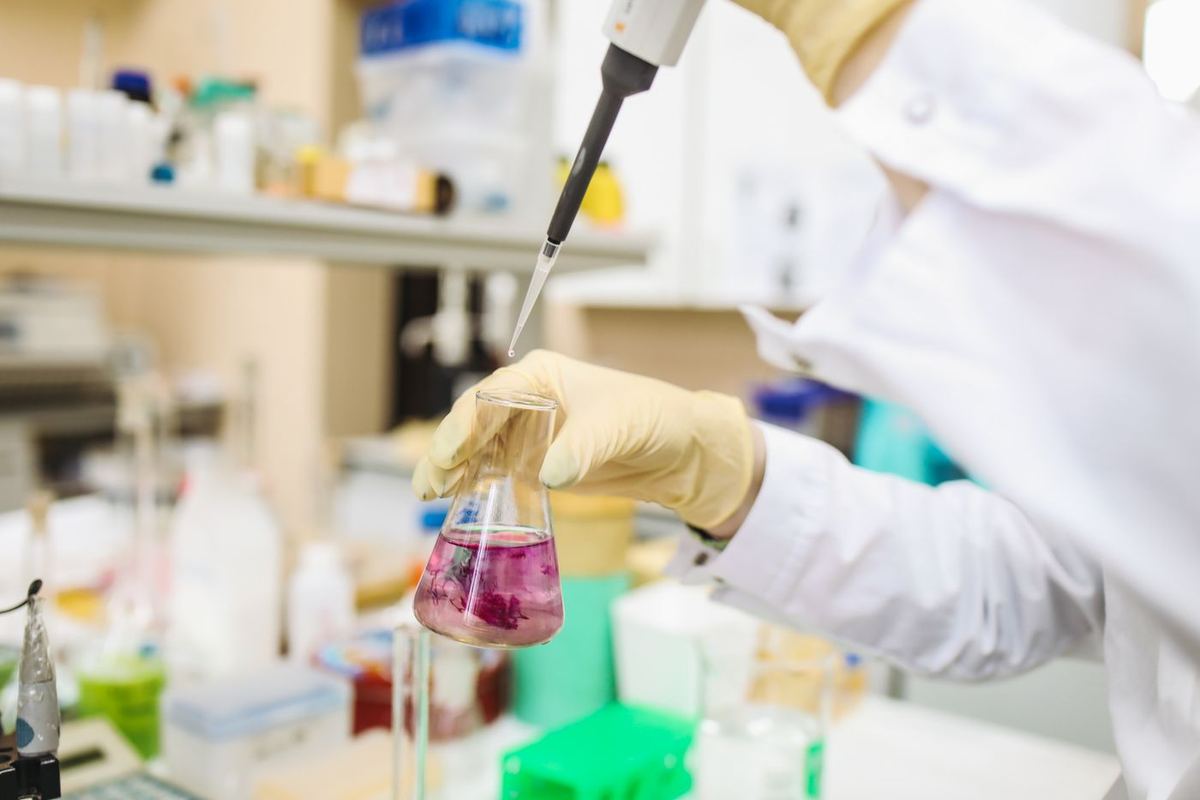
Solvent and extraction medium for API manufacturing, where batch traceability matters as much as assay.
Fast-evaporating carrier solvent for flexographic inks, varnishes and industrial coating formulations.
Denatured grades for electronics cleaning, surface preparation and hygiene programmes in food plants.
Ethanol is class 3 flammable liquid, so packaging choice is a regulatory decision as much as a commercial one. We pack against UN requirements for each format.
Stainless steel, nitrogen-blanketed, for anhydrous grades moving in full loads.
Composite totes with HDPE inner bottle — the practical format for middle-volume industrial users.
Steel and HDPE drums for sampling, trial quantities and small-batch production.
Road tanker and flexitank container loads for volume contracts with scheduled deliveries.
A specification sheet describes what a product should be. A certificate of analysis describes what the material in your tank actually is. We ship the second one.

Ethanol content by gas chromatography and water by Karl Fischer titration on the retained lot sample.
Methanol, acetaldehyde, higher alcohols and acidity checked against the grade limits before release.
A sealed sample of every lot is held for twelve months, so a disputed drum can always be compared with its reference.
COA, SDS and packing list issued together, with the lot number repeated on every document.
Bulk chemical purchasing is rarely about the lowest quoted number. It is about whether the second shipment matches the first.
Every drum, tote and ISO tank carries a lot number that links back to its fermentation batch and test record.
Retained samples stay sealed for a year after dispatch, available for joint re-testing if a dispute arises.
We supply one product family, so the technical answer you get is not borrowed from a different catalogue line.
From a single drum for a trial to a full tanker contract, packed against the same specification.
Anhydrous material is transferred and stored closed, protecting the water limit all the way to unloading.
Invoice, packing list, COA, SDS and origin certificates issued as one pack for customs clearance.
Send the grade, volume and destination port. You will get a quotation that names the production lot and the packaging format it ships in.

Scan to chat with Bepa Zhu on WhatsApp for grade selection, packing options and current availability.


